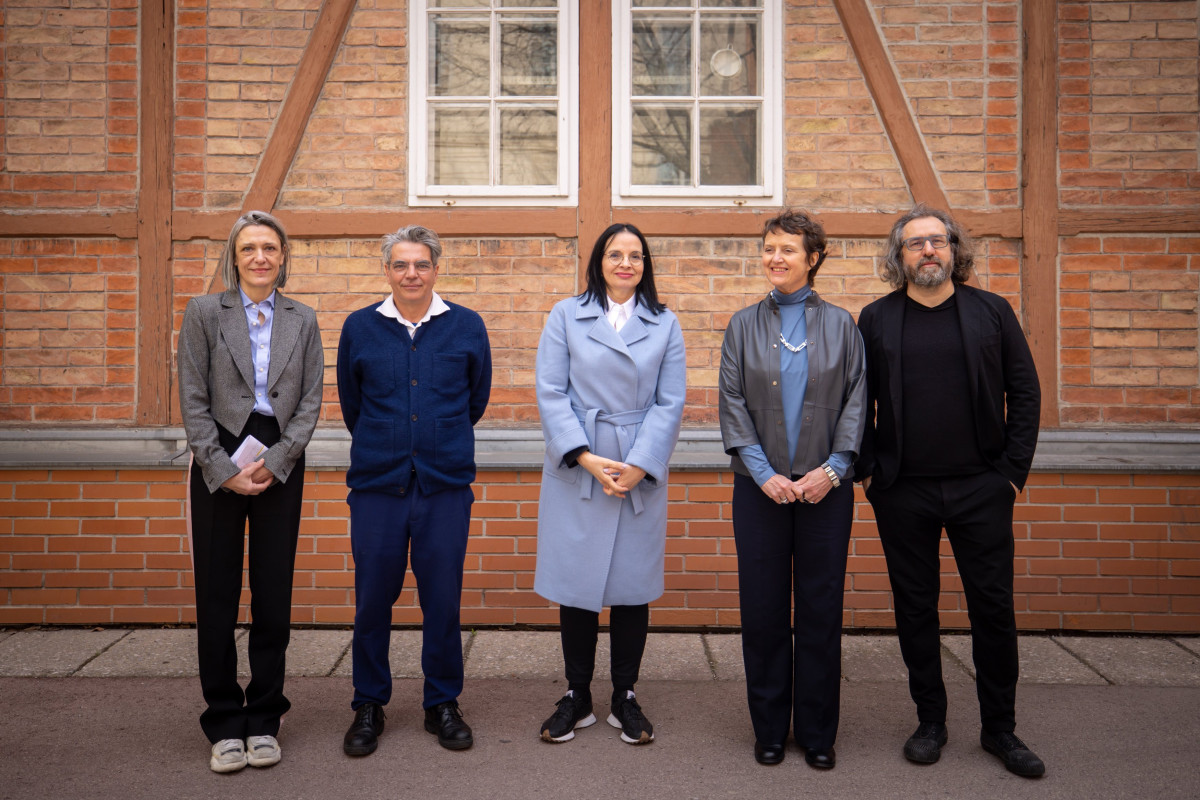
Michael Obrist (Professor and Head of the Research Unit of Housing and Design and partner of feld72 architects) together with Sabine Pollak (Linz University of Art / Köb&Pollak Architektur) and Lorenzo Romito (Linz University of Art / Stalker), has been commissioned by The Federal Ministry of Arts, Culture, Public Service and Sport (BMKÖS) to curate the Austrian Pavilion at the 19th Architecture Biennale in Venice.
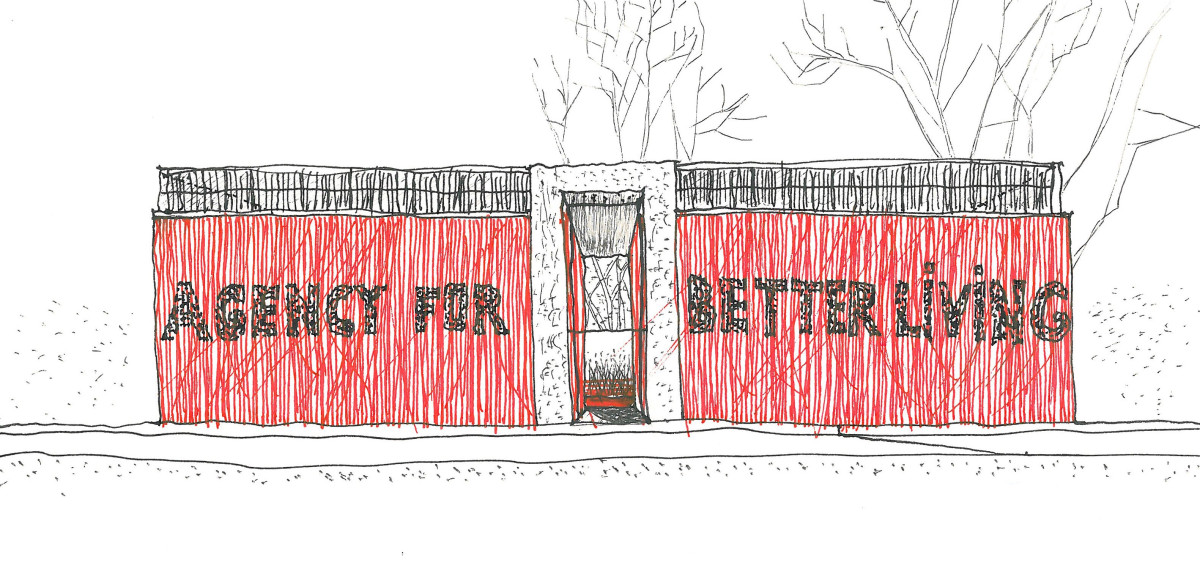
Their curatorial concept “Agency for a Better Life” focuses on acute global housing inequalities. Based on concrete architectures and research into the respective systems, these inequalities shall be answered as a synthesis of top-down (successful model of social housing in Vienna) and bottom-up (self-organization models of civil society in Rome).
The Concept
The City of Vienna has always understood the issue of housing not as a purely functional topic, but as a social-emancipatory matter. The Austrian Biennale contribution starts from this international interest in the Austrian model and establishes itself as an agency for better housing and living. Two parallel ‘mythical ‘stories are told, with two opposing approaches to how we want to live together in the future: the story of the successful public top-down model based on a hundred years of social housing planning in Vienna.
And the history of informal housing, the bottom-up model, with the re-use of derelict and abandoned buildings and infrastructures, exemplified by the City of Rome in the host country Italy, in which the great displacement mechanisms of the present as well as the resistance against them manifest themselves as if in a laboratory.
Team
Michael Obrist, Sabine Pollak, Lorenzo Romito